You get the definition in plain words, the three versions of 2013, 2023 and 2025 at a glance, and the state of what has actually been shown in humans. By the end you will know why training is the broadest lever in this model, why a telomere test says little, and why “acts on the hallmarks of aging” is not a quality feature of a product.
TL;DR
In shortThe hallmarks of aging are a map of aging research : first nine, since 2023 twelve, since 2025 fourteen processes that increase with age and, in animal experiments, accelerate or slow aging. They are not proof of what causes aging in humans, and they are not a treatment guide. In humans, none of the agents that specifically target a hallmark has been shown to benefit the lifespan or independence of healthy people. According to current evidence, training has the broadest effect : it changes markers of several hallmarks at once and, in a large randomised trial in sedentary older adults, made major mobility disability less frequent. Lower mortality has not yet been established in randomised trials, not even for training.
1. What exactly the hallmarks of aging are
Three conditions, 14 hallmarksIn 2013, Carlos López-Otín, Guido Kroemer and colleagues compiled in the journal Cell which biological changes characterise aging at the level of cells and tissues. They named nine such features, in English hallmarks. The paper became one of the most cited texts in aging research.
A process only made it onto the list if it met three conditions :
It increases with age.
Amplifying it experimentally accelerates aging.
Attenuating it experimentally slows aging
and extends healthy lifespan.
The authors themselves write that the hallmarks meet these conditions to varying degrees, the third one least of all. And the experiments on which conditions two and three rest come mainly from worms, flies and mice. In humans, the evidence consists mostly of associations with age, genetic findings and rare syndromes of premature aging.
In 2023, the same group expanded the list to 12, in 2025 to 14. The hallmarks are arranged in three groups : primary hallmarks, where damage arises ; antagonistic ones, that is, the body's responses to this damage, which protect at first and cause harm themselves in excess ; and integrative ones, in which the whole shows up as a loss of function.
| Hallmark | Group | In one sentence | Since |
|---|---|---|---|
| Genomic instability | primary | Damage to the genetic material accumulates and repair no longer keeps up. | 2013 |
| Telomere attrition | primary | The protective caps at the ends of the chromosomes get shorter with every cell division. | 2013 |
| Epigenetic alterations | primary | The switches that determine which genes are active drift out of place. | 2013 |
| Loss of proteostasis | primary | Misfolded proteins are repaired or disposed of less well. | 2013 |
| Disabled autophagy | primary | The cell clears out damaged components less well. | 2023 |
| Deregulated nutrient sensing | antagonistic | Signalling pathways that steer growth and conservation according to nutrient supply (such as insulin/IGF-1 and mTOR) fall out of balance. | 2013 |
| Mitochondrial dysfunction | antagonistic | The cell's power plants deliver less energy and more waste products. | 2013 |
| Cellular senescence | antagonistic | Cells stop dividing but stay in place and send out inflammatory signals. | 2013 |
| Stem cell exhaustion | integrative | The supply that renews tissues shrinks. | 2013 |
| Altered intercellular communication | integrative | Hormonal, neural and immune signals between cells and organs change. | 2013 |
| Chronic inflammation | integrative | A low-grade, persistent inflammatory activity sets in. | 2023 |
| Dysbiosis | integrative | The composition of the gut bacteria shifts unfavourably. | 2023 |
| Extracellular matrix changes | integrative | The supporting scaffold between the cells loses elasticity. | 2025 |
| Psychosocial isolation | unassigned | Withdrawal from social ties ; the authors propose it as a hallmark of its own, the rationale so far is thin. | 2025 |
For context : the version with 12 hallmarks dates from 2023 ; in 2013 there were nine. And the hallmark altered intercellular communication refers to communication between cells, not within a cell.
2. What the model is not
Five misreadingsNot proof of cause in humans. That a process shortens or extends life in mice does not show that it drives aging in humans. An animal can also live longer because a treatment prevents one specific fatal disease, without aging as a whole slowing down (Keshavarz 2023).
Not a list of separate construction sites. The hallmarks are closely interlinked. Improving cellular cleanup also improves, in experiments, mitochondria, inflammation and genome stability. The authors themselves therefore describe the hallmarks as “different entry points” for influencing biological aging in experiments, not as separate pathways (Kroemer 2025).
Not a measuring instrument. Most hallmarks are difficult or impossible to measure in a standardised way in humans. For cellular breakdown (autophagy) there is no standard method outside the body. Telomere length in blood cells varies widely between people of the same age, and its decline does not predict loss of physical capacity in older adults (Kroemer 2025).
Not undisputed. Critics consider the model a useful overview but not an explanation : the selection is said to be partly arbitrary, the ranking of causes unresolved, and how concrete age-related diseases arise from the interplay remains open (Gems and de Magalhães 2021).
Not a seal of quality. Kroemer and colleagues themselves note in 2025 that many venture capitalists and biotech companies display the wheel of hallmarks while claiming to address one, several or all hallmarks at once. They do not question the value of the model as a framework for thinking. The wheel describes the biology. Whether a product achieves anything measurable in humans, it does not describe.
What are the hallmarks of aging?
A list of biological processes that increase with age and, in experiments, accelerate or slow aging. The list grew from nine (2013) to 12 (2023) to 14 (2025) and is divided into primary, antagonistic and integrative hallmarks.
Can I have my hallmarks of aging measured?
Individual measures such as telomere length can be measured but say little : they vary widely between people of the same age, and there is no standard method for cellular breakdown. As of 2023, there was no validated marker whose change predicts a benefit for aging.
Is there an agent proven to slow the hallmarks of aging?
For none of the agents studied, including senolytics, rapamycin, metformin, NMN, NR, spermidine and urolithin A, has a benefit on lifespan, age-related disease or independence been shown in healthy people.
What has the broadest effect?
Training. In humans it changes markers of several hallmarks at once. In the LIFE study with 1,635 sedentary people aged 70 to 89, major mobility disability occurred in 30.1 instead of 35.5 percent under an exercise programme. Lower mortality has not yet been established in randomised trials.
Why is psychosocial isolation on the list?
The authors proposed it as a hallmark of its own in 2025. In humans, the link between social relationships and survival is strong but comes mainly from observational data.
This article is for information in the context of lifestyle coaching. It is not medical advice, not a diagnosis and not a recommendation for any individual case. Substances and amounts mentioned come from the cited studies and are not a recommendation to take them. Prescription drugs belong in a doctor's hands. Felix Baier is neither a physician nor a German-licensed Heilpraktiker ; StoaVita sells no dietary supplements.
We placed nine interventions side by side. Only one passed a large randomised trial on function.
What has actually been shown in humansThe wheel describes the biology ; the decisive question is what has been shown in humans. From training and calorie restriction to senolytics, rapamycin, metformin, NAD precursors, spermidine and urolithin A, the overview separates three things that tend to merge in advertising copy : a changed marker, a benefit on function or disease, and a benefit on lifespan. The pattern is clear, and even for training, two caveats remain.
Which question to ask of any product that claims to act on a hallmark, why two of three epigenetic clocks showed no difference under calorie restriction, what to do and what not to do, where StoaVita comes in, and where the model reaches its limits : that is the second part, along with the poster that puts the whole wheel on one page.
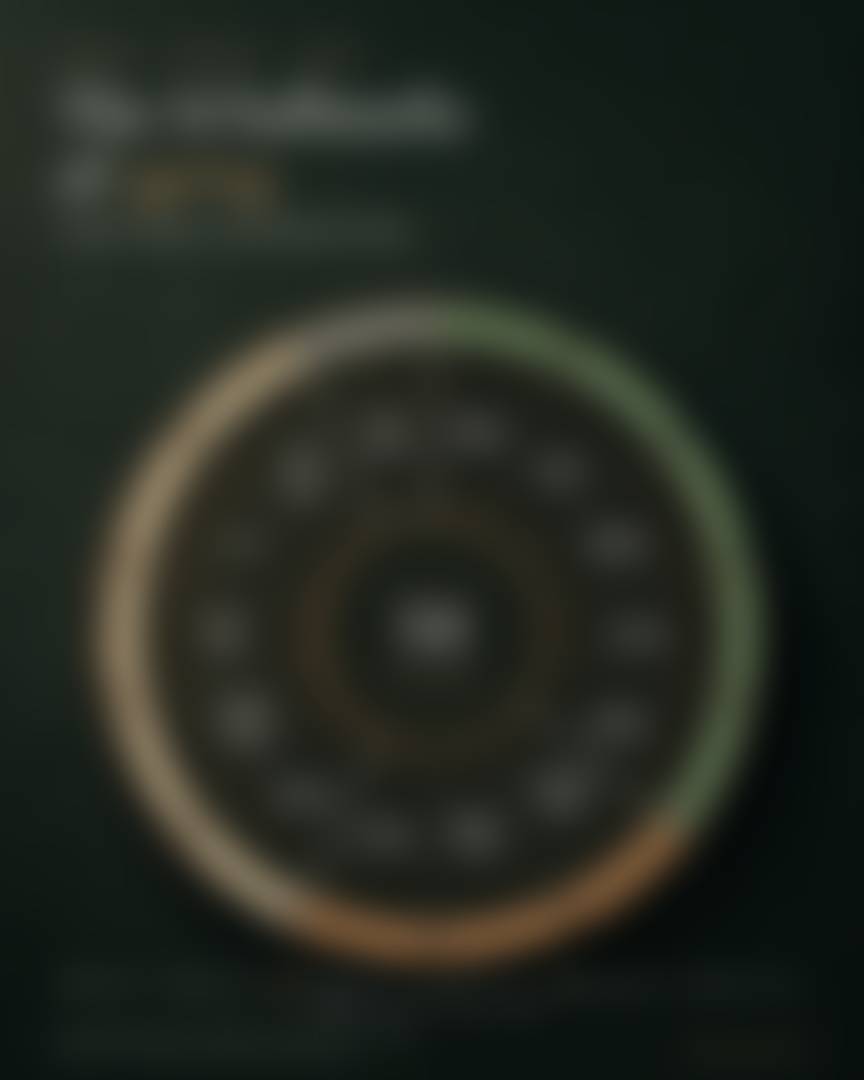
All 14 hallmarks on one page
The wheel with the three groups and the additions since 2023 and 2025, sharp and complete after signing in to the client area.
Sign in and view →The second part is for clients : the human evidence, the assessment and the poster.
Up to this point the article covers the mechanism. What follows moves from the mechanism to your own values, and that part we keep for the people we work with.
- What this knowledge does for a long life : the model as a filter for product promises, as an explanation of why training works so broadly, and as protection against false confidence in tests
- What has actually been shown in humans : nine interventions from training to urolithin A, separated into changed marker, benefit on function or disease, and benefit on lifespan
- The assessment matrix for healthspan, VO2max, strength, robustness and social life
- What you do with it : what to do and what not to do, and where StoaVita comes in
- Limitations and open questions, plus the whole wheel on one poster
There is no self-service sign-up. Access comes with working together ; the first conversation is free and non-binding.
Measure function, not single hallmarks
We measure what can be tracked over years and is linked to health in later life : VO2max by cardiopulmonary exercise testing and the thresholds by lactate testing. The Longevity Check-up adds more than 70 biomarkers, determined by a specialist laboratory and put in context in a conversation.
Sources (primary literature and reviews, peer-reviewed)
- López-Otín C, Blasco MA, Partridge L, Serrano M, Kroemer G (2013). The Hallmarks of Aging. Cell 153(6):1194-1217. doi:10.1016/j.cell.2013.05.039
- López-Otín C et al. (2023). Hallmarks of aging: An expanding universe. Cell 186(2):243-278. doi:10.1016/j.cell.2022.11.001
- Kroemer G et al. (2025). From geroscience to precision geromedicine: Understanding and managing aging. Cell 188:2043-2062. doi:10.1016/j.cell.2025.03.011
- Schmauck-Medina T et al. (2022). New hallmarks of ageing: a 2022 Copenhagen ageing meeting summary. Aging (Albany NY) 14:6829-6839. doi:10.18632/aging.204248
- Gems D, de Magalhães JP (2021). The hoverfly and the wasp: A critique of the hallmarks of aging as a paradigm. Ageing Res Rev 70:101407. doi:10.1016/j.arr.2021.101407
- Keshavarz M et al. (2023). Targeting the "hallmarks of aging" to slow aging and treat age-related disease: fact or fiction? Mol Psychiatry 28:242-255. doi:10.1038/s41380-022-01680-x
- Moqri M et al. (2023). Biomarkers of aging for the identification and evaluation of longevity interventions. Cell 186:3758-3775. doi:10.1016/j.cell.2023.08.003
- Robinson MM et al. (2017). Enhanced protein translation underlies improved metabolic and physical adaptations to different exercise training modes in young and old humans. Cell Metab 25:581-592. doi:10.1016/j.cmet.2017.02.009
- Pahor M et al. (2014). Effect of structured physical activity on prevention of major mobility disability in older adults: the LIFE study randomized clinical trial. JAMA 311:2387-2396. doi:10.1001/jama.2014.5616
- Stensvold D et al. (2020). Effect of exercise training for five years on all cause mortality in older adults (Generation 100): randomised controlled trial. BMJ 371:m3485. doi:10.1136/bmj.m3485
- Fielding RA et al. (2024). Biomarkers of Cellular Senescence Predict the Onset of Mobility Disability and Are Reduced by Physical Activity in Older Adults. J Gerontol A Biol Sci Med Sci 79:glad257. doi:10.1093/gerona/glad257
- Kraus WE et al. (2019). 2 years of calorie restriction and cardiometabolic risk (CALERIE). Lancet Diabetes Endocrinol 7:673-683. doi:10.1016/S2213-8587(19)30151-2
- Waziry R et al. (2023). Effect of long-term caloric restriction on DNA methylation measures of biological aging in healthy adults from the CALERIE trial. Nat Aging 3:248-257. doi:10.1038/s43587-022-00357-y
- Holt-Lunstad J, Smith TB, Layton JB (2010). Social relationships and mortality risk: a meta-analytic review. PLoS Med 7:e1000316. doi:10.1371/journal.pmed.1000316
- Justice JN et al. (2019). Senolytics in idiopathic pulmonary fibrosis: results from a first-in-human, open-label, pilot study. EBioMedicine 40:554-563. doi:10.1016/j.ebiom.2018.12.052
- Hickson LJ et al. (2019). Senolytics decrease senescent cells in humans: Preliminary report from a clinical trial of Dasatinib plus Quercetin in individuals with diabetic kidney disease. EBioMedicine 47:446-456. doi:10.1016/j.ebiom.2019.08.069
- Lane N et al. (2021). A phase 2, randomized, double-blind, placebo-controlled study of senolytic molecule UBX0101 in the treatment of painful knee osteoarthritis. Osteoarthritis Cartilage 29(Suppl 1):S52-S53 (conference abstract). doi:10.1016/j.joca.2021.02.077
- Mannick JB et al. (2014). mTOR inhibition improves immune function in the elderly. Sci Transl Med 6:268ra179. doi:10.1126/scitranslmed.3009892
- Moel M et al. (2025). Influence of rapamycin on safety and healthspan metrics after one year: PEARL trial results. Aging (Albany NY) 17:908-936 (PEARL). doi:10.18632/aging.206235
- Kulkarni AS et al. (2018). Metformin regulates metabolic and nonmetabolic pathways in skeletal muscle and subcutaneous adipose tissues of older adults. Aging Cell 17:e12723 (MILES). doi:10.1111/acel.12723
- Yoshino M et al. (2021). Nicotinamide mononucleotide increases muscle insulin sensitivity in prediabetic women. Science 372:1224-1229. doi:10.1126/science.abe9985
- Martens CR et al. (2018). Chronic nicotinamide riboside supplementation is well-tolerated and elevates NAD+ in healthy middle-aged and older adults. Nat Commun 9:1286. doi:10.1038/s41467-018-03421-7
- Elhassan YS et al. (2019). Nicotinamide Riboside Augments the Aged Human Skeletal Muscle NAD+ Metabolome and Induces Transcriptomic and Anti-inflammatory Signatures. Cell Rep 28:1717-1728. doi:10.1016/j.celrep.2019.07.043
- Schwarz C et al. (2022). Effects of spermidine supplementation on cognition and biomarkers in older adults with subjective cognitive decline (SmartAge). JAMA Netw Open 5:e2213875. doi:10.1001/jamanetworkopen.2022.13875
- Liu S et al. (2022). Effect of urolithin A supplementation on muscle endurance and mitochondrial health in older adults. JAMA Netw Open 5:e2144279. doi:10.1001/jamanetworkopen.2021.44279
This article is for information in the context of lifestyle coaching. It is not medical advice, not a diagnosis and not a recommendation for any individual case. Substances and amounts mentioned come from the cited studies and are not a recommendation to take them. Prescription drugs belong in a doctor's hands. Felix Baier is neither a physician nor a German-licensed Heilpraktiker ; StoaVita sells no dietary supplements.